How to Choose a Pergola: A Homeowner’s Ultimate Buying Guide
An outdoor living space functions as an extension of the home. Homeowners, gardeners, and patio enthusiasts install pergolas to define outdoor rooms, create comfortable seating areas, and add architectural interest to backyards. Selecting the proper structure requires evaluating materials, dimensions, engineering specifications, and local building regulations.
This comprehensive guide delivers fact-based precision to help you navigate your purchasing decision, maximize your property value, and select an outdoor structure engineered for longevity.
What Is a Pergola and Do Pergolas Provide Shade?

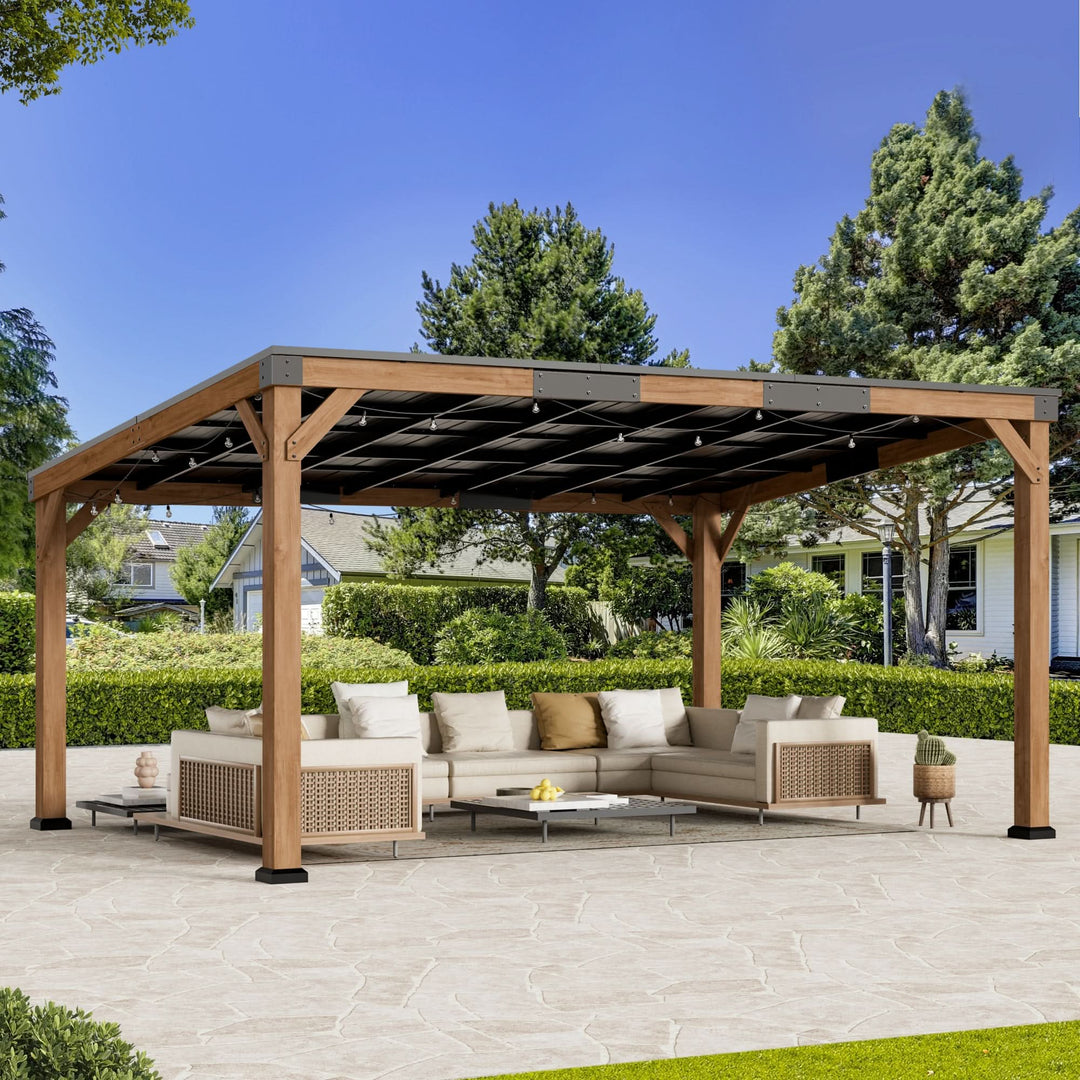
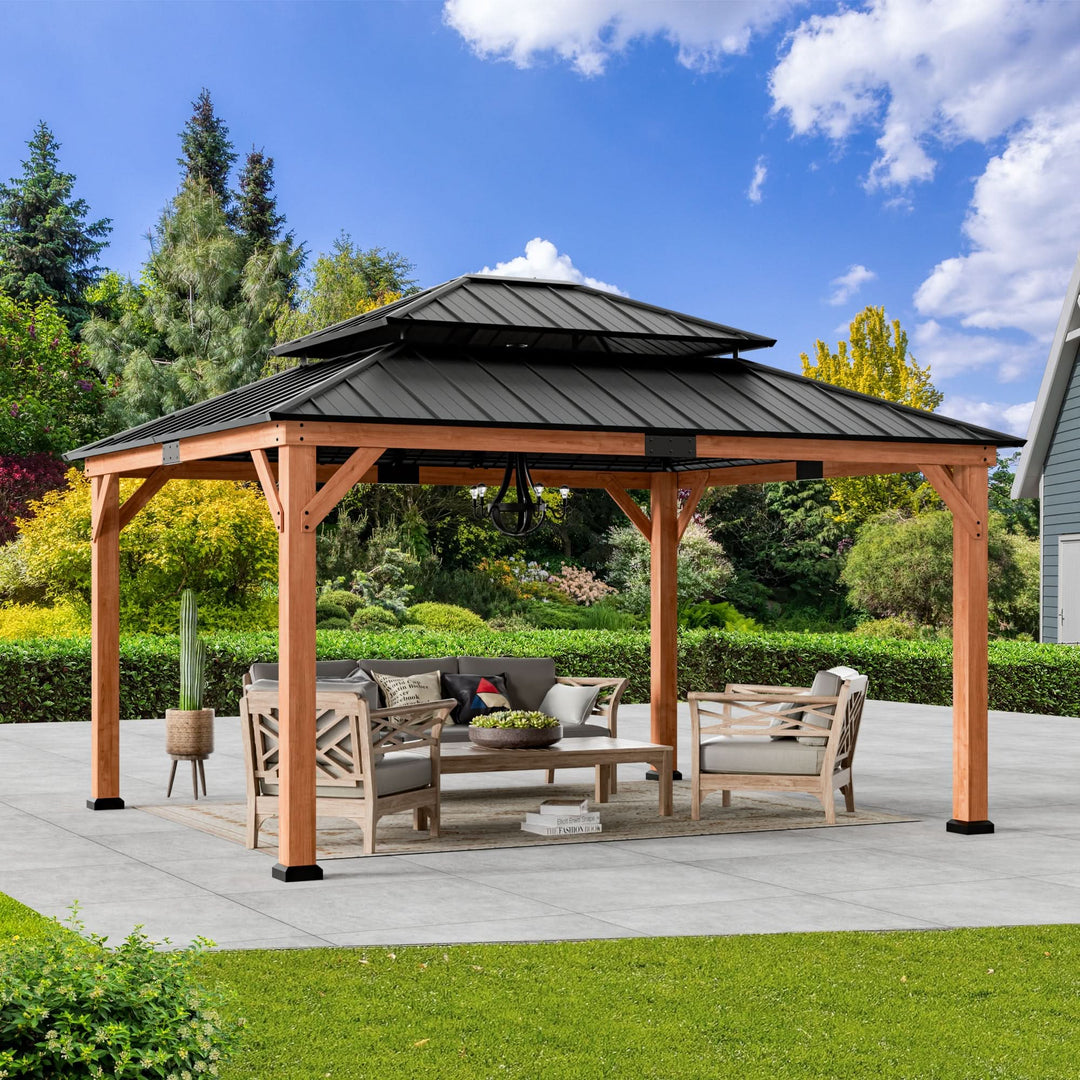
A pergola is an outdoor architectural structure composed of columns that support a roofing grid of beams and rafters. Historically, traditional wooden pergolas featured completely open rafters that offered minimal protection from the elements.
Modern engineering has transformed these structures into highly functional climate-control systems. Today, homeowners frequently ask: do pergolas provide shade?
The answer depends entirely on the roof design:
-
Fixed Rafter Pergolas: Provide partial, dappled shade based on the spacing and depth of the rafters.
-
Louvered Pergolas: Utilize adjustable slats to deliver variable shade, ranging from open sunlight to 100% solid shade and watertight overhead protection.
Which Pergola Material Offers the Best Durability?
Material selection directly determines the lifespan, maintenance schedule, and structural integrity of an outdoor pavilion. Buyers must choose between metal, wood, or synthetic composites.
Aluminum Pergolas
Aluminum represents the premium choice for modern outdoor construction. High-quality aluminum frameworks utilize commercial-grade, heavy-gauge extrusions.
-
Pros: Aluminum does not rot, warp, twist, split, or rust. It withstands harsh coastal environments and extreme temperature fluctuations.
-
Finishes: Look for architectural-grade, powder-coated finishes that resist UV fading, chalking, and scratching.
-
Weight Indicator: Total unit weight serves as a primary metric for structural thickness; heavier units utilize thicker extrusions that resist high wind pressures.
Wood Pergolas
Wood provides a classic, organic aesthetic suited for traditional gardens.
-
Species Selection: Western Red Cedar and Redwood represent the best wood for pergola construction due to inherent tannic acids that naturally repel insects and resist decay.
-
Maintenance Requirements: Wood is high-maintenance. Homeowners must learn how to stain a pergola or apply water-repellent sealants annually to prevent checking, splitting, and rot.
Vinyl Pergolas
Vinyl (PVC) serves as a budget-friendly, low-maintenance alternative.
-
Limitations: Vinyl lacks the inherent structural strength of metal or timber. Under heavy snow loads or high winds, vinyl components can sag or fracture unless reinforced internally with structural steel inserts.
Should You Choose a Louvered or Fixed Roof System?
Roof functionality dictates how frequently you can utilize your patio throughout the year.

Motorized Louvered Roof Systems
A motorized louvered pergola offers maximum environmental control. These systems feature dual-walled aluminum louvers that rotate via an electric actuator.
-
Sun Tracking: Homeowners open the louvers completely to permit morning sunlight, tilt them partially for continuous afternoon shade, or close them entirely during rainstorms.
-
Water Management: Premium louvered systems incorporate integrated interlocking gutters inside the louvers. When closed, water channels directly into perimeter beams and drains internally down through the support posts, keeping the patio space completely dry.
Fixed and Solid Roof Systems
Fixed pergolas utilize static horizontal slats or solid panels. While solid panels offer reliable, continuous shade, they eliminate the option to view the sky, restrict airflow during hot summer days, and cannot adapt to changing seasonal light patterns.
How Do You Determine the Right Pergola Size and Placement?
Improper sizing ruins backyard proportions and limits furniture layout options. Follow precise spatial planning rules to choose the correct footprint.
The Measuring Process
-
Define the Zone: Lay out your outdoor dining set, sectional, or chaise lounges exactly where you want them.
-
Clearance Zones: Measure the total footprint of the furniture and add a minimum of 24 inches of perimeter clearance around the furniture to allow comfortable foot traffic.
-
Height Clearance: Ensure the overhead beam clearance stands at a minimum of 8 feet. If you plan to install overhead amenities, this height allows sufficient clearance to comfortably hang lights on a pergola or mount ceiling fans without obstructing head space.
Aesthetic Proportions and the Golden Ratio
Architects apply the Golden Ratio (approximately 1.618:1) to ensure structures harmonize with existing homes. For example, a patio area measuring 10 feet in width pairs visually best with a pergola length of approximately 16 feet (10 x 1.618 = 16.18). Avoid oversized columns on small patios, and prevent thin, spindly posts on expansive pool decks.
Sun Pattern Mapping
Before finalizing your placement, observe your yard's sun pattern over a 12-hour cycle. Note how shadows fall from your house roofline. If your house faces south or west, angle the direction of your roof rafters or louvers north-to-south to slice through incoming sun rays and optimize shadow coverage.
What Engineering Standards and Safety Features Are Required?
An outdoor structure must withstand local environmental forces. High wind speeds and heavy winter precipitation put intense mechanical stress on backyard frameworks.
Wind and Snow Load Ratings
Never purchase an unrated, retail-grade import kit for an exposed backyard.
-
Engineering Standards: Premium pergola kits provide engineer-stamped drawings validating that the framework can survive specific wind velocities (e.g., up to 110 mph) and downward snow pressures (e.g., 30 lbs/sq. ft.).
-
Hardware Requirements: High-quality structures utilize marine-grade 316 stainless steel fasteners to connect components securely and prevent structural shear failures.
Structural Mounting and Anchoring Systems
Pergolas cannot simply sit on top of a patio surface; they must be physically anchored to deep structural foundations to prevent uplift during windstorms.
-
Surface Foundations: If your patio consists of concrete pavers over sand, you must follow specific engineering methods to anchor a pergola to pavers by pouring deep concrete footings beneath the paver layer.
-
Home Attachments: When selecting an attached model to extend your home's back door living space, you must properly flashing-seal the connection. Pay close attention to engineering guidelines when attempting to attach a pergola to a house gutters system to prevent water leaks, rotted wood ledger boards, or structural sagging.
How Much Does a Pergola Cost?
Budget planning requires understanding the complete cost of ownership, which includes material procurement, delivery, and professional installation.
|
Pergola Material & Type |
Average Material Cost (12' x 12') |
Maintenance Requirements |
Lifespan |
|
Basic Vinyl Kit |
$1,500 – $3,500 |
Very Low (Occasional wash) |
5 – 10 Years |
|
Traditional Cedar Wood |
$2,500 – $6,000 |
High (Annual seal/stain) |
10 – 15 Years |
|
Premium Louvered Aluminum |
$5,500 – $15,000+ |
Low (Occasional wash) |
20+ Years |
For an in-depth breakdown of material tiers, labor costs, and hidden foundation fees, read our comprehensive financial analysis: how much does a pergola cost?
Do You Need a Permit for a Backyard Pergola?
Before purchasing any building materials, you must verify local regulatory compliance to prevent costly fines or forced removal of your structure.
-
Zoning and Building Permits: Most municipalities classify permanent outdoor structures larger than 100 square feet as accessory structures. These require a formal building permit. Setback rules dictate exactly how close a column can stand to your property lines.
-
Homeowners Association (HOA) Regulations: HOAs maintain strict architectural guidelines regarding allowable materials, structural colors, and overall ridge heights. Submit your powder-coat color chips and engineering drawings to your HOA review board for formal approval prior to ordering your kit.
Summary Checklist for Choosing Your Perfect Pergola
To make the smartest investment for your home, finalize your buying decision using this concise structural checklist:
-
Material: Select commercial-grade, powder-coated aluminum for zero maintenance and lifetime durability.
-
Functionality: Choose an adjustable, motorized louvered roof with internal gutters for true, all-weather usage.
-
Engineering: Confirm the kit includes certified wind and snow load ratings suited for your specific geographic region.
-
Sizing: Measure your furniture layout, add perimeter traffic clearance lanes, and utilize the Golden Ratio for visual balance.
-
Permits: Confirm your local municipality setback rules and file for HOA architectural approval letters.