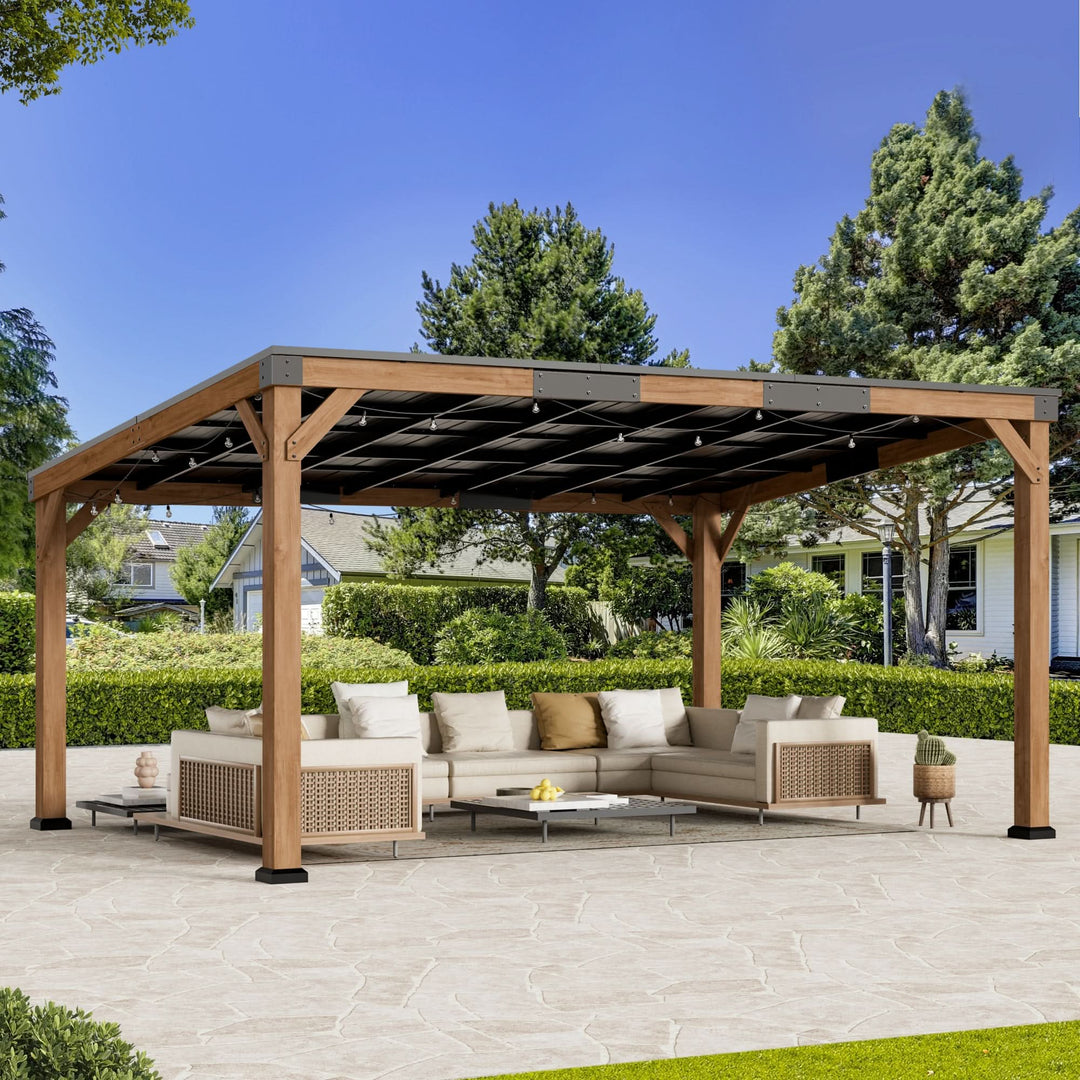
How to Keep Water From Pooling on a Gazebo: Simple Maintenance Tips
Rainy days are usually a time to enjoy the cozy patter of droplets from the comfort of your outdoor shelter. However, that relaxation quickly turns into stress when you notice the fabric sagging under the weight of a mini-lake.
If you’ve ever had to "punch" the roof of your canopy to release a gallon of water—or worse, woken up to a collapsed frame—you know that water buildup is the ultimate gazebo killer.
In this guide, we’ll show you how to keep water from pooling on a gazebo using simple, budget-friendly hacks and expert maintenance tips.
Why is Water Pooling on My Gazebo?
Before fixing the problem, it’s important to understand why it happens. Most soft-top gazebos and pop-up canopies rely on tension to shed water. Over time, the fabric stretches due to heat, wind, and previous rain. Once the material loses its "taunt" feel, even a light drizzle can create a small depression. Gravity takes over, more water gathers, and you’re left with a heavy pool that can bend metal struts or tear the fabric.
How to Keep Water From Pooling on a Gazebo (The Simple Way)
You don’t need an engineering degree to fix a sagging roof. Here are the most effective DIY methods sourced from experienced campers and homeowners.
1. The "Pool Noodle" Hack
This is the gold standard for gazebo owners. It’s cheap, effective, and takes seconds to install.
-
How it works: Take standard foam pool noodles and tuck them into the corners of the gazebo frame, between the metal support bars and the fabric cover.
-
Why it works: The noodle creates an artificial arch that pushes the fabric upward, eliminating the slack where water usually collects.
-
Pro Tip: For extra stability, you can slit the noodle lengthwise and "clip" it onto the metal frame.
2. Use Pipe Insulation
If you find pool noodles too bulky or bright, hardware store pipe insulation is a great alternative. It’s usually dark grey or black, making it less noticeable. You can wrap it around the perimeter bars to increase the diameter of the frame, which pulls the fabric tighter across the entire roof.
3. The "Hula Hoop" or Football Method
For larger gazebos that sag in the center rather than just the corners, some forum users recommend placing a hula hoop or a soft foam football between the center peak and the fabric. By adding this extra "lift" in the middle of a sagging panel, you force the water to divert toward the edges rather than sitting in the middle.

How to Divert Water From Gazebo Roof Areas Safely
If your gazebo is permanently installed, you might want a more long-term solution than foam noodles.
Install Grommet Holes
Some high-end gazebos come with pre-installed drainage holes (grommets) near the edges. If yours doesn't, you can add them yourself using a grommet kit from a craft or hardware store. By placing small holes in the areas where water tends to pool, you allow the water to drain through the fabric before it becomes heavy enough to cause damage.
Add Extra Support Ropes

Tying "anti-pooling" ropes is a common trick among campers. Run a tight bungee cord or nylon rope from the center hub of the gazebo to the outer corners, underneath the fabric. This creates a "rafter" effect that keeps the material from dipping.
If you’re planning a more permanent setup, you might even consider learning how to shingle a gazebo roof to convert a soft-top into a durable hardtop structure.
How to Make a Gazebo Waterproof and Prevent Leaks
Keeping the water off the roof is only half the battle; you also want to keep it from coming through.
-
Apply a Hydrophobic Spray: Use a heavy-duty fabric protector (like 303 Marine or Scotchgard) once a season. This makes the water "bead" and roll off more quickly, preventing the fabric from becoming waterlogged and heavy.
-
Seal the Seams: Most leaks happen at the stitching. Use a seam sealer (common for tents) to ensure no water drips through the needle holes onto your furniture.
-
Ensure Proper Pitch: Check that your gazebo is level. If one leg is even slightly lower than the others, water will naturally migrate to that corner. If you are on a patio, make sure you know how to anchor a gazebo to concrete to keep it perfectly level and secure.
How to Keep Water Out of Gazebo Floor Areas?
A dry roof is useless if you’re standing in a puddle. To keep your floor dry:
-
Check the Drip Line: Ensure your gazebo cover extends slightly past the frame so water falls away from the seating area.
-
Install Gutters: For permanent structures, small gutter systems can be attached to the eaves to channel water into a downspout. If you're tired of fabric issues altogether, upgrading to a hardtop gazebo with a gutter system is the best "set it and forget it" solution.
-
Elevate the Floor: Use interlocking deck tiles or an outdoor rug with a rubber backing to keep your feet above any moisture that migrates across the patio.
FAQ: Common Gazebo Maintenance Questions
Is it better to leave the sides on a gazebo in the wind?
Generally, no. Leaving the side curtains or "walls" on during high winds creates a "sail" effect. The wind gets trapped inside, creating massive upward pressure that can lift the gazebo off the ground or snap the frame. If a storm is coming, always remove or tightly tie back the sides.
How often should I refinish a gazebo?
If you have a wooden frame, you should refinish a gazebo every 2–3 years to prevent rot. Metal frames should be checked annually for rust spots, especially around the joints where water might collect.
Can I run lights if my gazebo gets wet?
You should only use outdoor-rated, waterproof lighting. If you are planning a more permanent setup, check out our guide on how to run electricity to a gazebo safely.
Final Thoughts
The secret to gazebo longevity is proactive maintenance. By using the pool noodle trick and ensuring your fabric is treated with a water repellent, you can prevent the dreaded sagging that ruins so many outdoor spaces.
Don't wait for the next big storm to check your roof tension—take ten minutes this weekend to "tighten up" your canopy, and you'll stay dry all season long!