Can You Grill Under a Gazebo? The Ultimate Safety and Setup Guide
Outdoor living enthusiasts often ask: can you grill under a gazebo? The short answer is yes, but your success depends entirely on the type of gazebo, the fuel source of your grill, and specific safety clearances.
Whether you are looking to protect your cooking station from a sudden drizzle or create a permanent outdoor kitchen, understanding the risks and requirements is essential for every homeowner.

Is It Safe to Grill Under a Soft-Top Gazebo?
Soft-top gazebos, typically made of polyester or canvas, present the highest risk. These materials are often flammable and can easily trap heat and grease.
-
Fire Hazard: Flare-ups from a grill can reach several feet high, potentially igniting the fabric roof.
-
Staining: Smoke and vaporized grease will quickly discolor the canopy and create a persistent odor.
-
Melting: Even if the fabric is "fire-retardant," the intense heat from a grill can cause the fibers to melt or weaken over time.
For these reasons, grilling under a soft-top gazebo is generally discouraged unless the unit is specifically labeled as a "grill gazebo" with a flame-resistant canopy and a vented peak.
Can You Grill Under a Hardtop Gazebo?
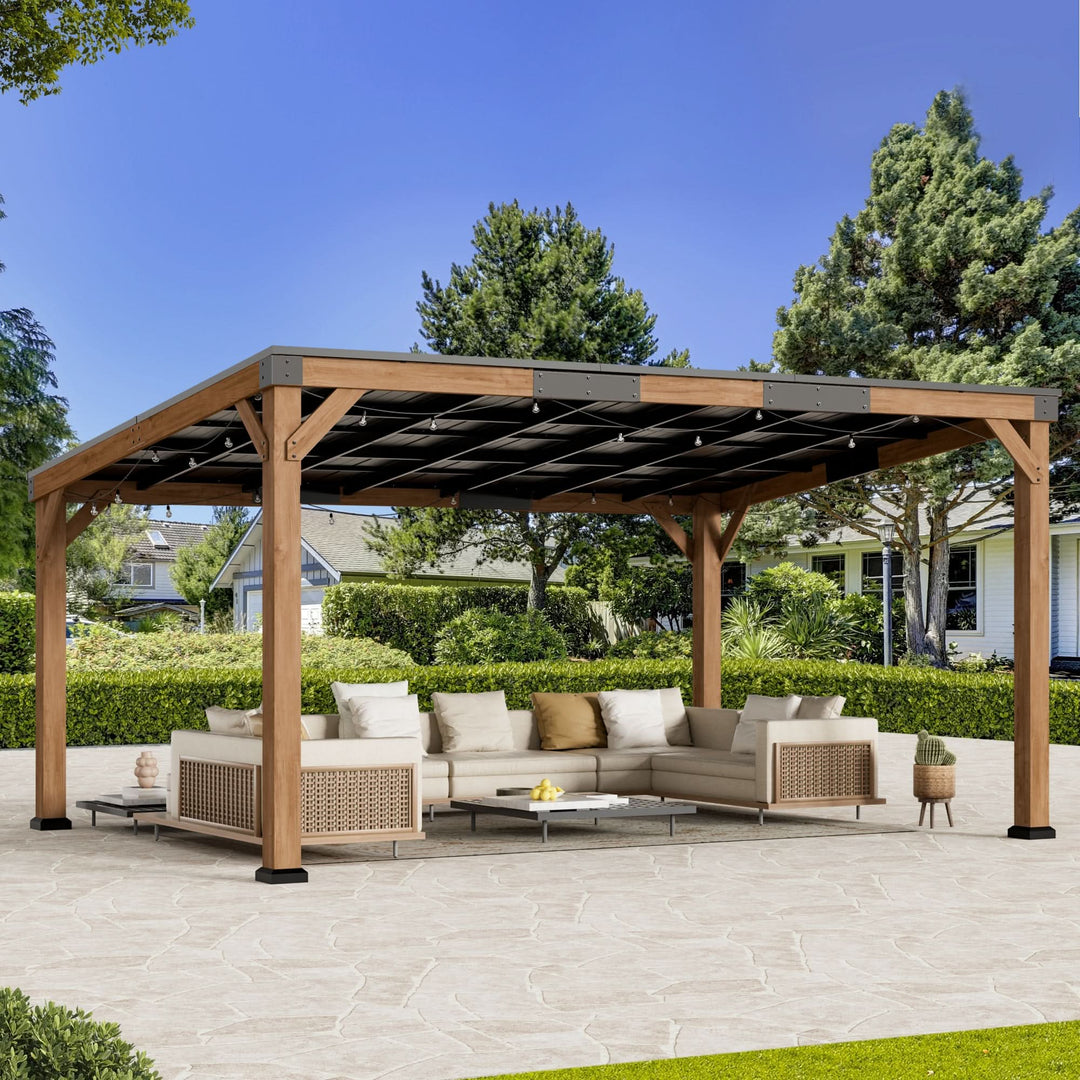
A hardtop gazebo, usually constructed with aluminum, galvanized steel, or polycarbonate panels, is a much safer candidate for an outdoor cooking station. These structures offer superior durability and heat resistance compared to fabric models.
To optimize the environment for cooking, some owners choose to raise the height of a gazebo to increase the distance between the grill and the ceiling. This additional clearance allows heat to dissipate more effectively before reaching the roof structure.
Which Grill Types Are Best for Gazebo Use?
Your choice of fuel significantly impacts safety and cleanliness under a covered structure.
Gas and Propane Grills
Gas grills are the most compatible with gazebos. They provide a predictable flame that is easy to extinguish. Since they produce less thick smoke than wood or charcoal, they are less likely to leave heavy soot deposits on your gazebo ceiling.
Charcoal Grills and Smokers
Grilling with charcoal under a gazebo requires extreme caution. Charcoal produces high amounts of Carbon Monoxide (CO) and "flying sparks" or embers.
-
Ventilation: Never use charcoal in a gazebo with side curtains closed.
-
Clearance: Maintain at least 10 feet of vertical clearance.
-
Ember Protection: Use a fire-resistant grill mat to protect your decking or patio from falling coals.
How Do You Ensure Proper Ventilation?
Ventilation is the most critical factor in preventing fire and carbon monoxide poisoning. Smoke must have a clear path to exit the structure.
-
Double-Tiered Roofs: Look for gazebos with a built-in vent or "wind hood" at the peak. This allows smoke and heat to escape naturally.
-
Air Circulation: To further improve air quality and push smoke away from the chef, you can install a ceiling fan in a gazebo. Ensure the fan is outdoor-rated (wet or damp rated) and positioned to circulate air without blowing out the grill flames.
-
Open Sides: Keep at least two sides of the gazebo open to maintain a constant cross-breeze.
What Are the Key Safety Clearances for Gazebo Grilling?
To comply with most local fire codes and manufacturer warranties, follow these distance guidelines:
-
Vertical Clearance: Aim for a minimum of 60 inches from the grill grate to the lowest point of the gazebo roof.
-
Horizontal Clearance: Keep the grill at least 24 to 36 inches away from gazebo posts or railings.
-
Combustible Materials: Ensure no hanging plants, outdoor curtains, or decorations are within 5 feet of the cooking surface.

Essential Maintenance for Your Cooking Gazebo
If you grill under your gazebo regularly, you must perform routine maintenance to prevent "grease stalactites" and fire risks.
-
Degrease the Ceiling: Wipe down the underside of the gazebo roof every few months to remove accumulated grease film.
-
Inspect the Structure: Check for soot buildup or heat discoloration on the frame.
-
Grill Placement: Always center the grill under the highest point of the roof (the vent) rather than tucking it into a corner.
Conclusion: Should You Grill Under Your Gazebo?
You can safely grill under a gazebo if you prioritize a hardtop structure, ensure adequate ventilation, and maintain strict clearances. While a soft-top gazebo is better suited for dining, a vented hardtop gazebo provides a professional-grade atmosphere for your backyard BBQ, rain or shine.
By following these safety protocols, you can enjoy the convenience of an outdoor kitchen while protecting your investment and your home.