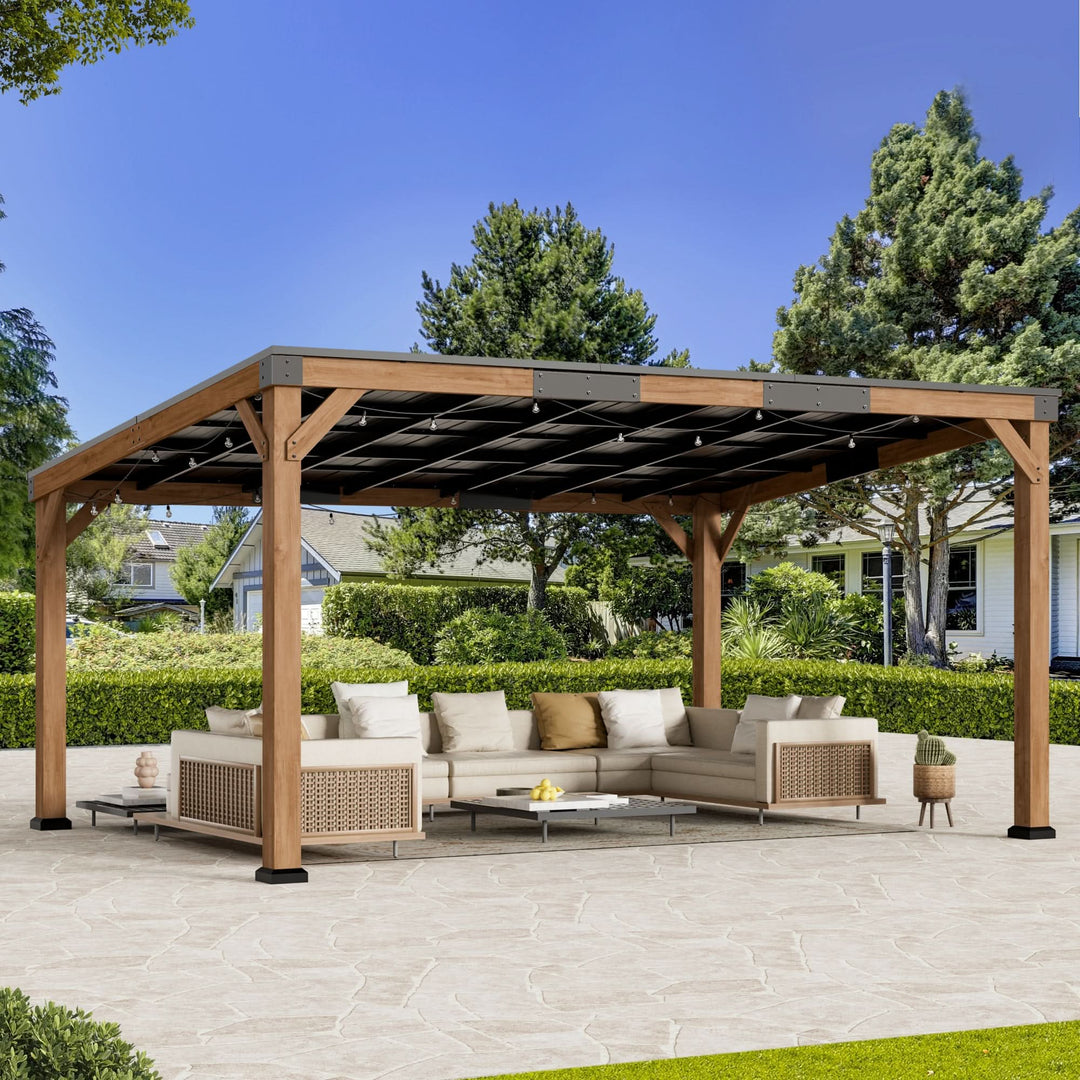
How to Convert a Gazebo to a Greenhouse: Step-by-Step Guide
Converting an existing patio frame into a plant sanctuary maximizes outdoor living space while extending your growing season. Transforming a backyard structure allows gardeners to raise seedlings early in spring and protect delicate crops through winter frosts.
If you want to convert a gazebo to a greenhouse, this guide details structural evaluations, framing techniques, cladding selection, and ventilation systems.

Can You Convert a Gazebo into a Greenhouse?
Yes, you can convert a gazebo into a functional greenhouse. A successful conversion requires wrapping the existing frame with UV-resistant greenhouse film or rigid twin-wall polycarbonate panels, ensuring overhead light transmission, and establishing proper airflow control through vents or fans.
For solid-roof gazebos, supplemental grow lights or clear roof retrofits are required to deliver the 6+ hours of daily sunlight essential for plant growth.
What Frame Considerations Are Essential Before Converting?
Before purchasing wall paneling or plastic sheeting, evaluate the existing frame’s structural integrity and orientation.
Frame Material Assessment
-
Metal Frames (Aluminum or Steel): Ideal for conversion. Metal resists rot, tolerates high interior humidity, and supports heavy twin-wall polycarbonate sheets.
-
Wooden Gazebos: Require inspection for water damage and mold. Treat bare timber with non-toxic, plant-safe sealants to prevent rot under elevated greenhouse humidity.
-
Pop-Up / Soft-Top Frames: Suitable only for short-term, seasonal seed starting. Light weight metal tubing cannot support permanent polycarbonate or withstand winter snow loads.
Sunlight Exposure
Greenhouses require minimum 6 hours of direct sunlight daily. Position your structure where trees, fences, or house walls will not cast afternoon shadows during peak growing months.
Structural Anchoring
Elevated wind resistance from sealed sidewalls creates a sail effect. Ensure your frame is secured to concrete footings, deck joists, or deep ground anchors. For technical details on securing your base, read our complete guide on how to anchor a greenhouse.
How Do You Convert a Gazebo Frame into a Greenhouse?
1.Inspect and Secure the Base Frame:Prerequisite for wind stability.
Clean the structure thoroughly. Tighten all hardware, treat rusted metal, or apply sealant to wood frames. Confirm the base is level and anchored firmly to withstand horizontal wind pressure.
2.Address the Roof Structure:Light transmission requirement.
-
If the roof is fabric/canvas: Remove it completely and replace it with clear corrugated polycarbonate panels or 6-mil UV-treated greenhouse film.
-
If the roof is solid metal/wood: Keep the roof for insulation, but install LED grow lights along interior rafters to compensate for lost overhead sunlight.
3.Install Framing Furring Strips:Essential for rigid panel attachment.
Mount vertical timber or aluminum furring strips every 24 inches along open wall spans. These support bars provide flat attachment points for polycarbonate sheets or film fasteners.
4.Attach Cladding and Wall Materials:Sealing the enclosure.
Measure wall spans accurately. Secure clear twin-wall polycarbonate sheets or 6-mil plastic film using self-tapping screws equipped with rubber EPDM washers to seal drill holes.
5.Construct Access Doors and Ventilation Vents:Temperature and pest management.
Build a hinged wooden or metal door frame fitted with polycarbonate. Install at least two operable side windows or roof vents to facilitate passive heat dissipation.

Polycarbonate Panels vs. Plastic Film: Which Cladding Material Fits Your Budget?
Selecting the proper covering balances insulation performance against material costs.
|
Feature |
Twin-Wall Polycarbonate |
6-Mil UV Greenhouse Film |
|
Durability |
10–15 Years |
3–5 Years |
|
Insulation (R-Value) |
High (R 1.4 – 1.8) |
Low (R 0.83) |
|
Wind & Snow Resistance |
Superior |
Moderate |
|
Light Diffusion |
Excellent (Prevents scorching) |
Good |
|
Installation Effort |
Moderate (Requires cutting/screws) |
Low (Fastens with wiggle wire) |
|
Cost Range |
$2.50 – $4.50 / sq ft |
$0.25 – $0.60 / sq ft |
How Do You Manage Temperature, Ventilation, and Pests?
A completely sealed structure without ventilation will overheat plants within hours during sunny days.
Airflow Control
-
Passive Ventilation: Install automatic thermal vent openers on upper wall sections or roof hatches. These openers expand with heat, lifting vents open without electricity when ambient temperatures exceed 70°F (21°C).
-
Active Ventilation: For hot climates, mount an intake louvre near ground level and an exhaust fan at the highest gable point.
Moisture and Pest Prevention
High heat combined with stagnant air creates ideal breeding grounds for mildew and insects. Maintain airflow using oscillating clip-on fans, and seal wall seams with insect mesh. Learn effective techniques to keep bugs out of greenhouse spaces without using harsh chemicals.
DIY Gazebo Conversion vs. Dedicated Purpose-Built Greenhouse
While converted gazebos re-use existing backyard features, purpose-built structures offer distinct long-term advantages:
-
Conversion Pros: Uses existing foundation/frame; reduces initial demolition waste; serves dual-purpose shade in summer and plant shelter in spring.
-
Conversion Cons: Sub-optimal light transmission through solid roofs; requires custom framing modifications; limited integrated shelving options.
-
Purpose-Built Greenhouses: Engineered specifically for optimal light distribution, heavy snow loads, integrated staging shelves, and automated climate accessories.
Explore our collection of engineered, climate-ready structures by browsing our selection of high-performance greenhouses.